

Multi-parameter water quality analyzer
View Products


Located in Guangzhou Nansha Bio-island, this wastewater treatment plant treats a mix of industrial and domestic wastewater. The process train includes CASS, a high-density sedimentation tank, a denitrification deep bed filter, and sodium hypochlorite disinfection. The designed daily treatment capacity is 30,000 m³.
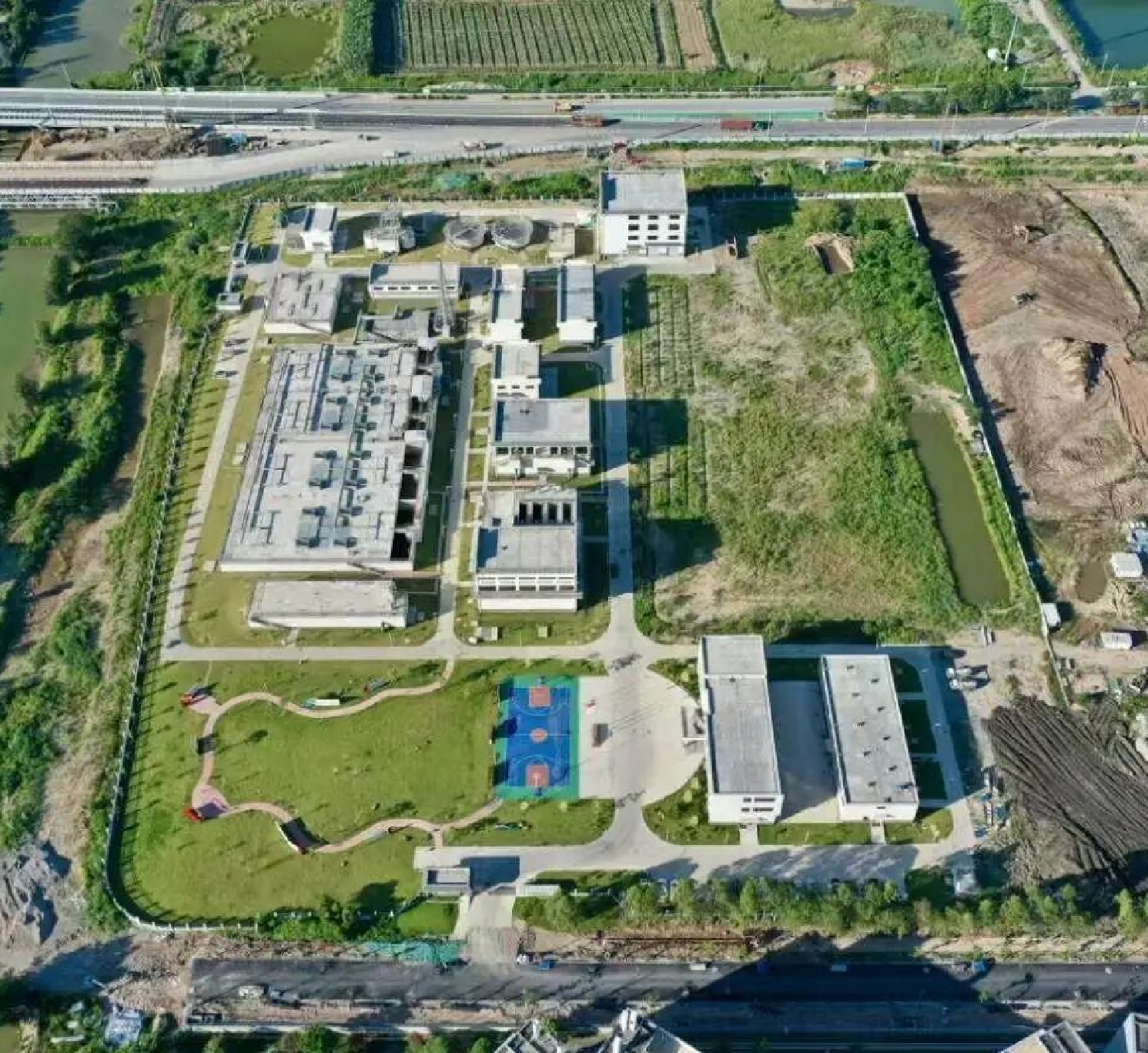
Before using real-time water quality monitoring, the plant struggled with several issues common in many facilities.
First, water quality data came in slowly. The plant relied on manual sampling or offline instruments. By the time operators got the results, the conditions inside the bioreactor had already changed. This made it hard to track nitrification reactions in real time.
Second, aeration control was inefficient. Because the data was delayed, the aeration system could not respond quickly to changes in incoming wastewater. Sometimes the plant over-aerated, wasting energy. Other times it under-aerated, hurting nitrification and effluent quality.
Third, chemical dosing was mostly guesswork. Without accurate, real-time data on ammonia and nitrate levels, operators added carbon sources and other chemicals based on rough estimates. This led to either overdosing (wasting chemicals) or underdosing (risking permit violations). Both increased operational costs and compliance risks.
To gain better control over the entire treatment process, the plant turned to Linksens. They installed the Linksens Full-Spectrum AI Real-time Water Quality Monitor at four key points:
Raw water inlet
CASS bioreactor
High-density sedimentation tank
Denitrification filter
Together, these four units created a minute-level monitoring network that covers the whole process. The monitors use full-spectrum analysis combined with an AI model. This gives operators continuous, real-time data on ammonia‑nitrogen (NH₃‑N) and nitrate‑nitrogen (NO₃‑N), among other parameters.
With this data, the plant moved from reactive control to proactive, on‑demand control. Operators can now adjust aeration volume and timing instantly based on actual nitrogen loads. They can also fine-tune carbon source dosing exactly when and where it is needed.
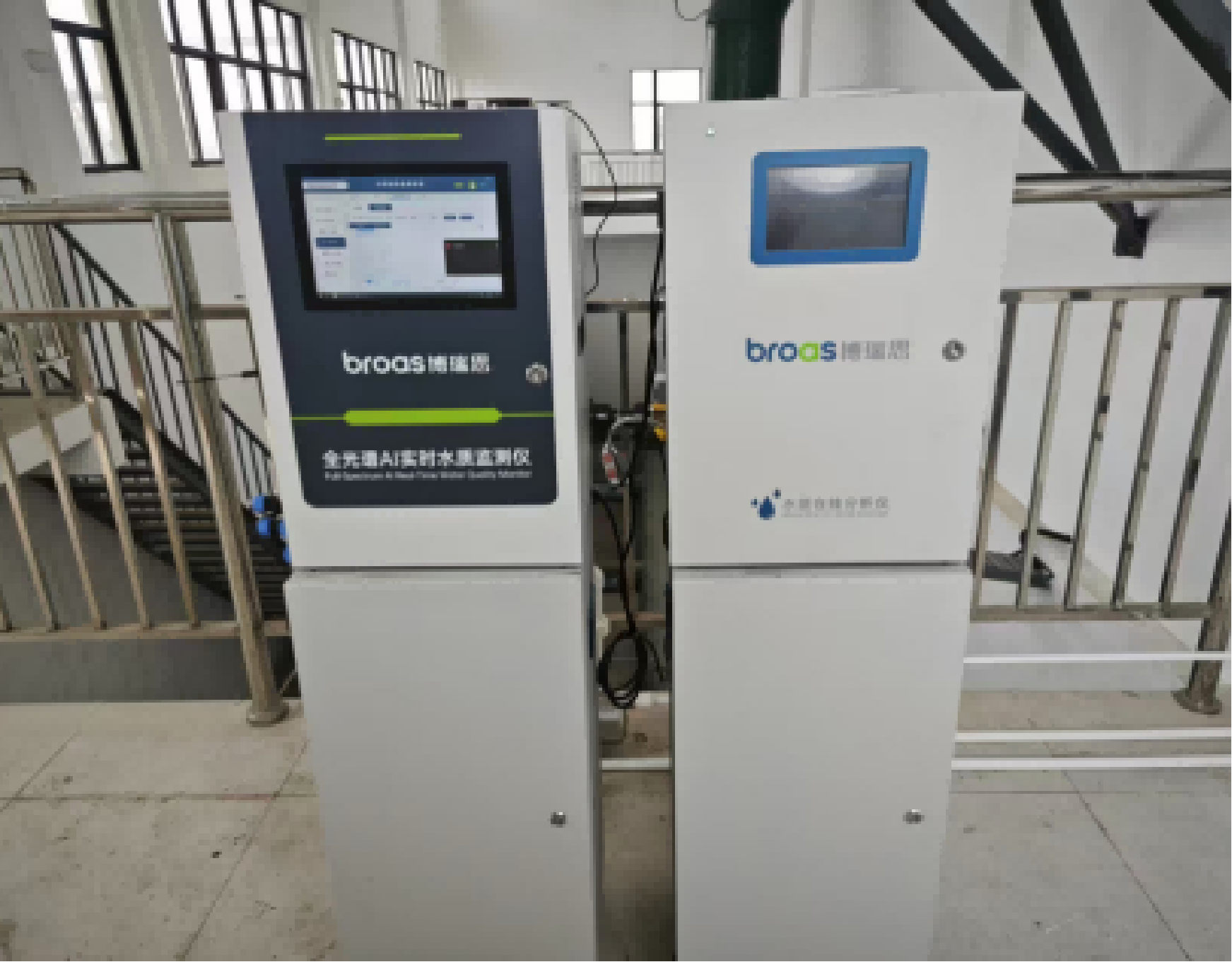
The switch to real-time AI monitoring delivered clear, measurable benefits.
Real-time, high-frequency data – Key parameters like NH₃‑N and NO₃‑N are updated every minute. Operators see what is happening right now, not what happened two hours ago.
On-demand aeration and chemical dosing – Because the data is accurate and immediate, the plant no longer over-aerates or over-doses chemicals. They add only what is needed, when it is needed.
10–15% cost savings – By eliminating waste in aeration energy and chemicals (especially carbon source), the plant reduced total operating costs by an estimated 10 to 15 percent.
Stable compliance – Ammonia and total nitrogen removal became more efficient and consistent. Effluent quality stays reliably within permit limits.
Support for low‑carbon transition – Lower energy use and fewer chemicals mean a smaller carbon footprint. The plant is now on a clear path toward smarter, greener operations.
This case shows how a full‑scale CASS wastewater plant turned operational pain points into savings and stability using Linksens’ Full‑Spectrum AI Real‑time Water Quality Monitors. For any facility looking to cut costs, improve compliance, and move away from blind dosing or lagging data, this approach is worth a close look.


